Dollar-Store Organization for Small Spaces: Make Every Dollar Count
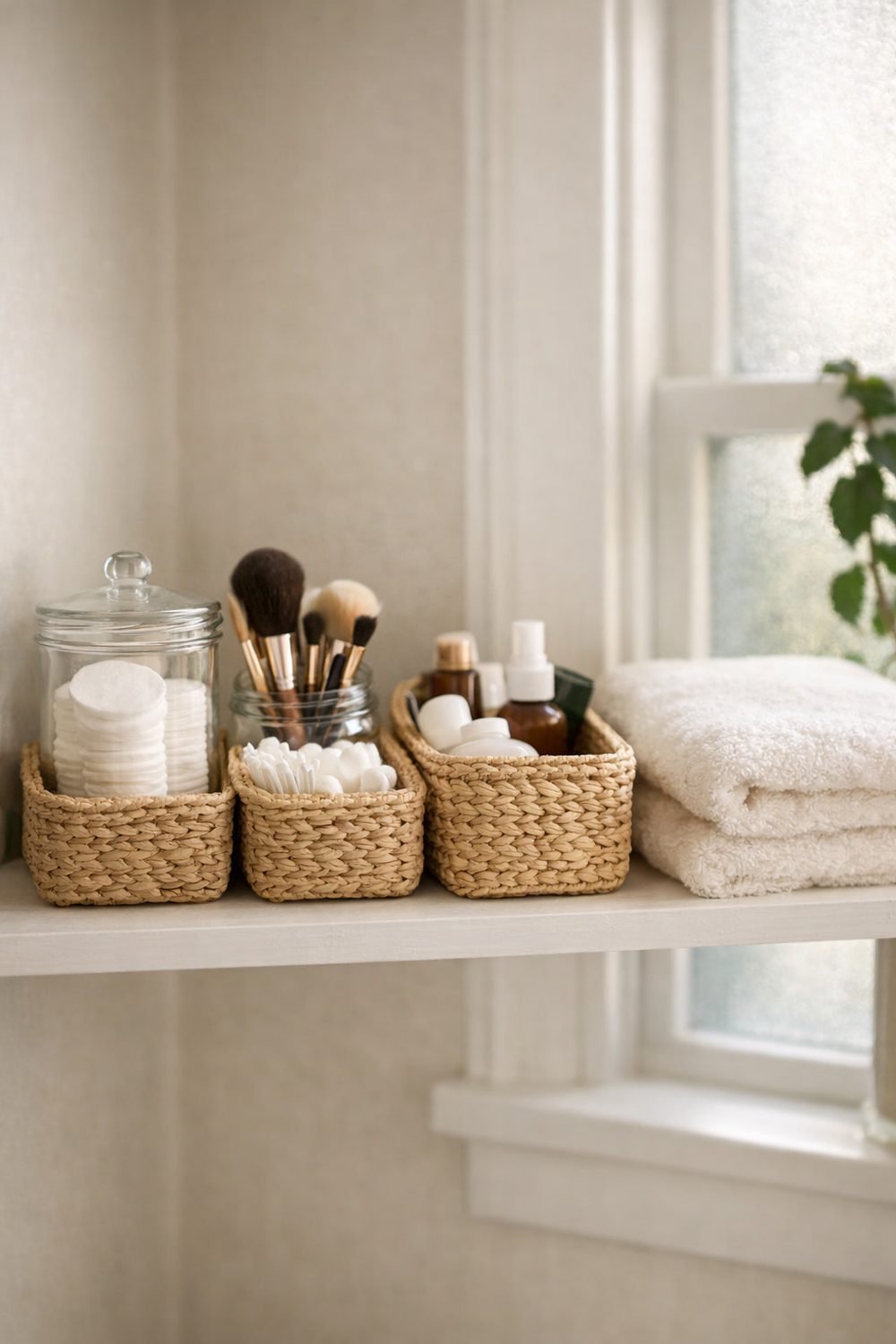
Dollar-store organization ideas can help a small space work harder without stretching your budget. Before you shop, decide how much you want to spend, whether you track it on paper or in a budgeting tool like the Every Dollar app, and then pick up bins, baskets and labels with a plan.
It's easy to walk into the dollar store with a vague plan for organization ideas and walk out with a bag of cute bins that fit nowhere. Sound familiar? Cheap containers really can tidy a small space. But they only work if you plan a little first, so you buy what you'll actually use and skip the rest.
Here's what has worked for me as organization on a budget for small spaces, from a tiny apartment kitchen to a cramped bathroom and one very sad hall closet.
Short on time? Our top picks: Dollar Tree, The Container Store, IKEA and Command Hooks. See all picks
1. Measure the Space Before You Leave the House
This one sounds boring. It's also the step I skipped for years, and it cost me more than any other mistake. A bin that's half an inch too tall for your cabinet shelf is just clutter with a lid.
Grab a tape measure and write down the width, depth and height of each spot you want to organize. Do the inside of drawers too, not the front. Cabinet doors often have hinges that eat into the space, so measure from the hinge, not the edge.
Practical tip: Keep the numbers in your phone's notes app with a label like "under sink: 22 wide, 18 deep, 12 tall." Then you can check while you're standing in the aisle holding a bin.
2. Split Up Drawers With Small Bins on a Budget
Junk drawers don't get messy because you're messy. They get messy because nothing has a place, so everything slides into one pile the second you close the drawer.
Small trays and bins fix that fast. In a kitchen drawer, one narrow bin can hold measuring spoons, another the scissors and tape, and a square one can catch batteries and rubber bands. In the bathroom, they work well for hair ties, makeup and those little travel bottles you keep meaning to use.
You don't need matching sets. Mixing sizes usually fits a drawer better anyway, like puzzle pieces.
Practical tip: Empty the drawer completely first and sort what's in it into piles on the counter. Count your piles. That's roughly how many dividers you need.
3. Pick Clear Bins Over Colored Ones for Small Spaces
The pastel bins are tempting. But in a small space, the main problem is usually finding things, and clear bins solve that without you having to open anything.
Switching a pantry over to clear containers helps you avoid buying a third bag of rice because you can see the first two. That alone made it worth it.
Colored bins still have a place. They're nice for stuff you'd rather not look at, like cleaning rags or cords. Just don't make them your default.
Practical tip: Press on the sides of a plastic bin before you buy it. If it bends a lot, it'll probably crack when you fill it. Thicker ones last much longer.
4. Label Everything (Yes, Even the Obvious Stuff)
Labels feel a little extra until you live with other people. Then they're the only reason anything gets put back where it goes.
You don't need a label maker like a Brother P-touch. Masking tape and a marker work fine. So do the sticker labels most dollar stores carry in the office aisle. A "SPARE KEYS" label may seem silly until the night you need one and find it in about five seconds.
Practical tip: Label the front edge of a bin, not the lid. Lids get swapped and set aside. The front is what you'll see when the bin is on a shelf.
5. Use the Walls and the Backs of Doors
In small spaces, floor and shelf room runs out quickly. The empty space up the wall and behind doors is usually wide open.
Over-door racks, like the ones from IKEA or The Container Store, are great for shoes, cleaning supplies or pantry snacks. Adhesive hooks, such as Command Hooks, inside cabinet doors can hold measuring cups, pot holders or a hair dryer. Two hooks inside a closet door can hold bags and scarves and free up a whole shelf.
One honest note: cheap adhesive hooks don't all hold well. Use them for light things only, and skip hanging anything heavy or breakable on them.
Practical tip: Check the weight limit on the package, and clean the surface with a little rubbing alcohol first so the adhesive sticks better. Then wait the time the package says before hanging anything.
6. Stack Up With Shelf Risers
Cabinets often have a lot of empty air above short items like mugs, cans or spice jars. A simple wire shelf riser gives you a second level without any tools.
In a bathroom cabinet, try a stackable shelf with lotions on the bottom and extra soap on top. It doubled what fits in there.
Practical tip: Measure the height of the things you'll put under the riser before you buy. A riser that's too short is useless for anything but very flat items.
7. Corral Small Things in Baskets
Loose stuff on open shelves looks messy even when it isn't. A basket hides the chaos and makes the shelf look calm.
You can keep one basket by the door for keys, sunglasses and mail, and another on a bookshelf for chargers and remote controls. Woven-look plastic baskets are easy to wipe clean, which matters near the kitchen.
Practical tip: Give each basket one job. The minute a basket becomes "random stuff," it turns into a junk drawer you can't close.
If you'd like a head start, you can grab the Free Dollar-Store Organization Shopping List by joining the email list, so you've got something to fill in before your next trip.
8. Shop With a List or the Every Dollar App to Keep Spending in Check
This is the step that saves the most money, and it's the one people resist when they shop for dollar store organization ideas. The dollar store is full of things that look useful for a dollar or two, and those little buys add up faster than you'd think.
Before you go, write down each spot, its measurements and exactly what you need. "2 narrow drawer bins, 1 riser for bathroom cabinet, 4 hooks." If it's not on the list, it stays on the shelf. It's a rule that's easy to break, so measure your space before you shop.
If you like having this laid out for you, the Dollar-Store Organization Ideas and Shopping List below this post puts the ideas and a fill-in list in one place. And if you want to keep an eye on what you're spending, the Coupon and Savings Tracker below this post is there for that too.
Practical tip: Bring the list on paper or in your phone, and check items off as they go in the cart. It keeps you honest.
9. Start With One Small Spot in Your Home
Trying to organize the whole home in one weekend is how you end up with bags of bins sitting in a corner for a month. It's an easy mistake to make. It's not fun.
Pick one drawer or one shelf. Finish it. Live with it for a week and see what you'd change. Then move on to the next spot with what you learned.
Practical tip: Start with the spot that annoys you most every day. Fixing it gives you a nice small win, and that makes the next one easier to start.
Organization Picks Worth a Look
Dollar-store finds go a long way, but a few well-known tools can fill the gaps when you need something sturdier or more specific. Here are some options to consider alongside your budget buys.
Dollar Tree
A good starting point if you want cheap bins, baskets and drawer trays to test a layout. It suits people who like to experiment before committing. Check that each item fits your measurements and feels sturdy before you buy.
The Container Store
This one suits people who want a wider range of sizes and more custom-fit options for odd spaces. It's handy when a cheap bin just won't fit. Compare what you need against your written measurements, since choices can be overwhelming.
IKEA
A solid pick for affordable shelving, drawer dividers and over-door storage. It works well for small apartments and closets. Check the product dimensions closely, because pieces are often designed for specific cabinet or drawer sizes.
Command Hooks
Useful for hanging light items inside doors and on walls without drilling. They suit renters especially. Read the weight limit on the package and make sure your surface type is supported.
Brother P-touch
A label maker line for people who want neat, lasting labels on bins and shelves. It suits shared homes where everyone needs to know what goes where. Check what label tape it uses, since ongoing tape refills are a cost to think about.
Sterilite
A familiar maker of plastic storage bins and drawers in many sizes. It suits pantry, closet and under-sink needs where you want clear, stackable containers. Look at the lid style and stacking design to make sure they work with your space.
OXO Good Grips
Known for kitchen and pantry storage containers. It suits people who want airtight, clear containers for dry foods. Check the container sizes against your shelf height before choosing.
Check current plans and prices on each brand's own site before you buy.
FAQ
Are dollar-store bins good quality?
It depends on the item. Some are thin and crack fast, while others hold up for years. Press on the sides and check the lids before you buy, and choose sturdier ones for things you'll use daily.
What should I skip at the dollar store?
Skip hooks that can't handle heavy items, and decor bins that look nice but don't fit your measurements. If you're not sure about weight limits, check the package or the seller's details before hanging something.
How many containers should I buy at once?
Only enough for the one or two spots you're working on right now. Sort what you own first, count your groups, then buy to match. It's easy to come back for more later.
Do clear bins really make a difference?
For me, yes, especially in the pantry and under the sink. Being able to see what you have stops you from buying doubles. Colored bins are fine for things you'd rather keep out of sight.
If you're ready to try this, start by grabbing the Free Dollar-Store Organization Shopping List in the sign-up box, then measure one spot tonight. When you want more ideas or a way to track your spending, take a look at the products below this post.
Printables and tools that can help
Dollar-Store Organization Ideas and Shopping List
Room-by-room organization ideas and a shopping list to plan low-cost storage before you...
See detailsCoupon and Savings Tracker
A printable coupon log and weekly shopping log to write down what you planned and what you...
See details